Posts written by Matt Hale
HRS Wins Largest Ever Heat Exchanger Order
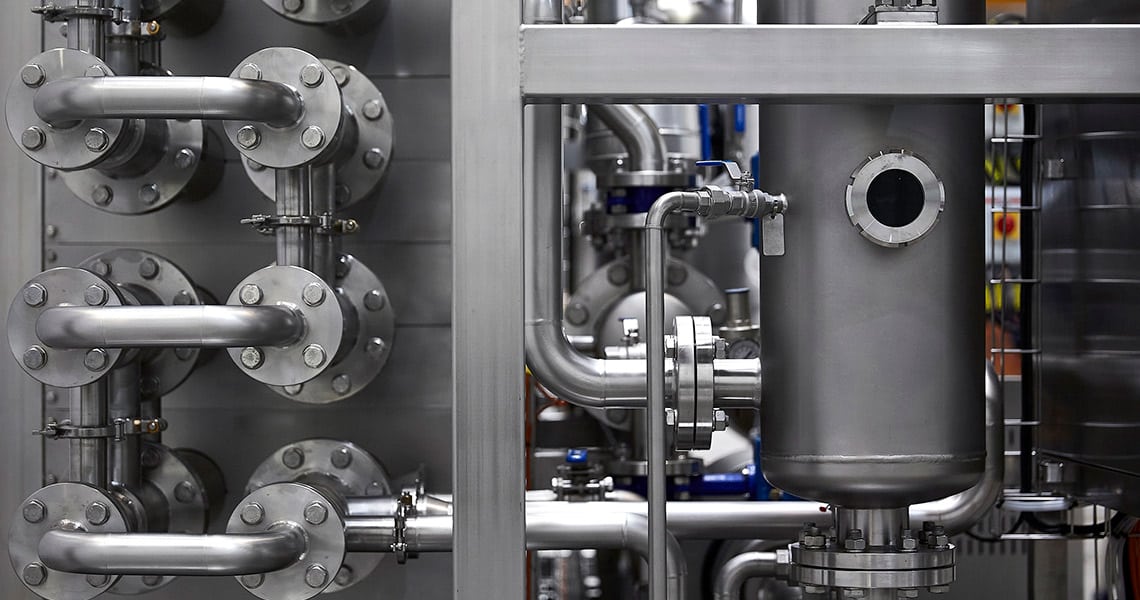
HRS Heat Exchangers, a leading global provider of efficient heat transfer solutions, has won its largest ever component order, valued at $3.8 million. The heat exchangers, for a North American client, will form part …
Read MoreThe Role of Evaporation in Treating Challenging Effluents
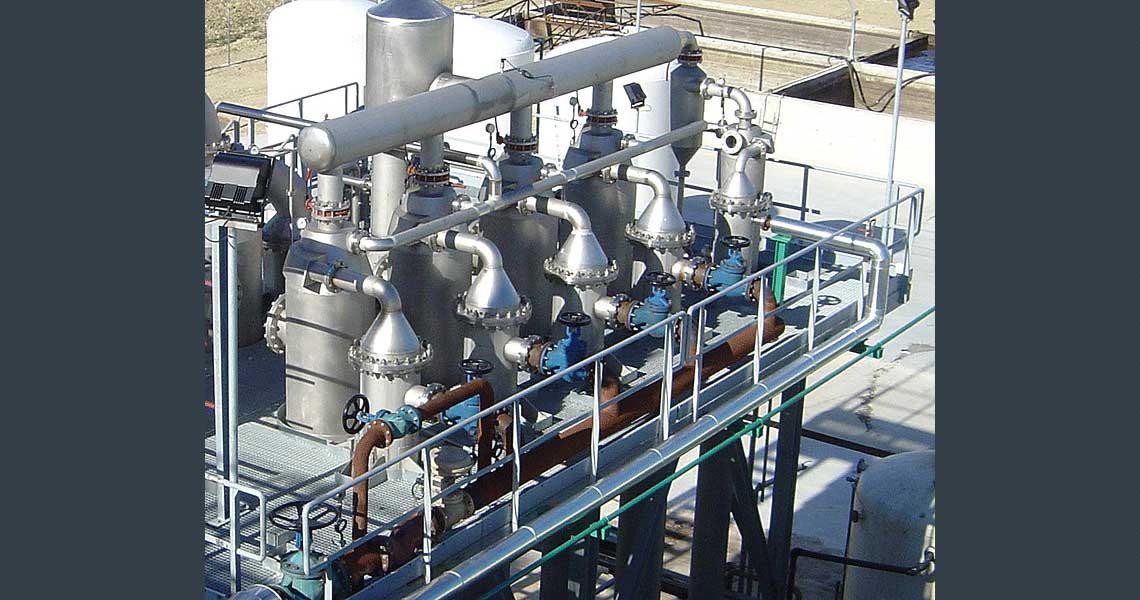
Wastewater and effluent can take many different forms, from relatively clean water which can safely be discharged to the environment with little or no treatment, to extremely challenging effluent containing high levels of dissolved or …
Read MoreThe Benefits of Anaerobic Wastewater Treatment

Conventional wastewater treatment consists of three distinct phases: primary, secondary, and tertiary. The primary treatment involves the mechanical removal of solids by sedimentation or flotation and is followed by a secondary treatment which removes organic …
Read MoreChoosing the Right Heat Exchanger for Food Processing

In the simplest terms, a heat exchanger is like a radiator, designed to heat (or cool) one material from another. However, over the last 150 years or so, a wide variety of types and designs …
Read MoreThe Role of Heat Exchangers in Meat Processing

Meat and poultry processing operations frequently produce a range of different by-products and leftover materials, many of which are turned into meat, blood and bone meals used as commodity products or as components in animal …
Read MoreNot Just Heat Exchangers: Complete Lines Drive HRS Business Growth
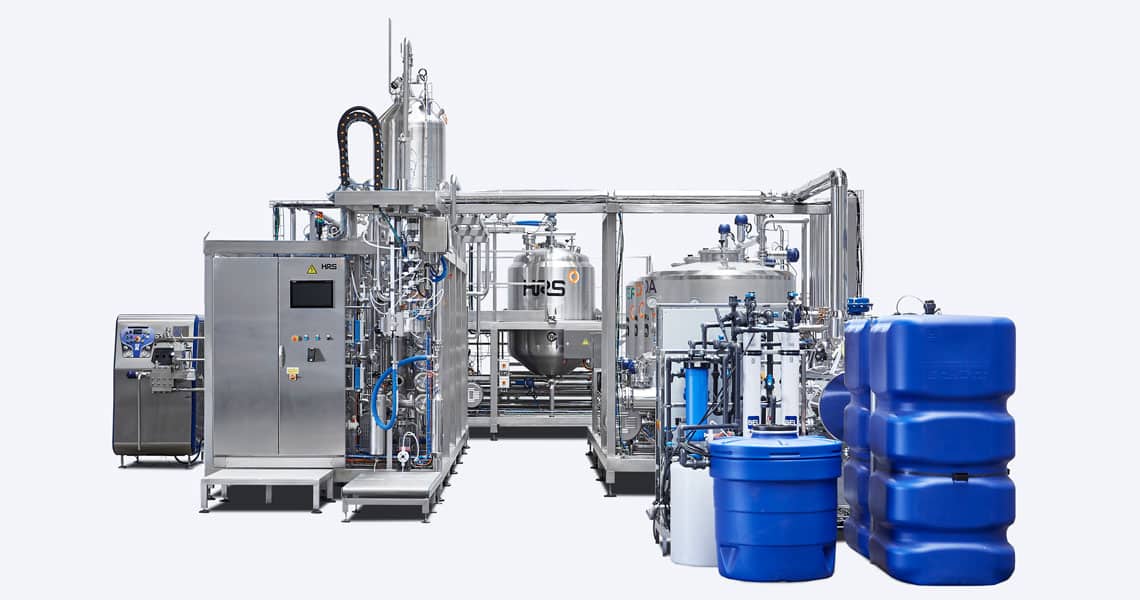
HRS is well known as a leading supplier of heat exchange, but our clients are increasingly looking for turnkey solutions for their thermal processing challenges. In response to this, HRS has a team solely dedicated …
Read More